
Furniture
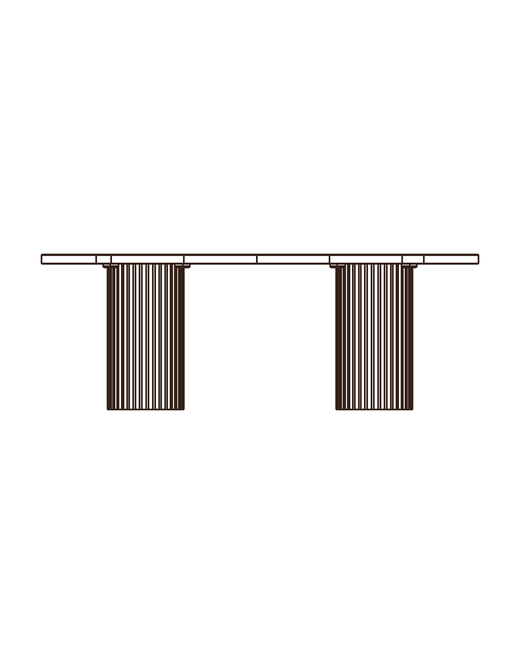
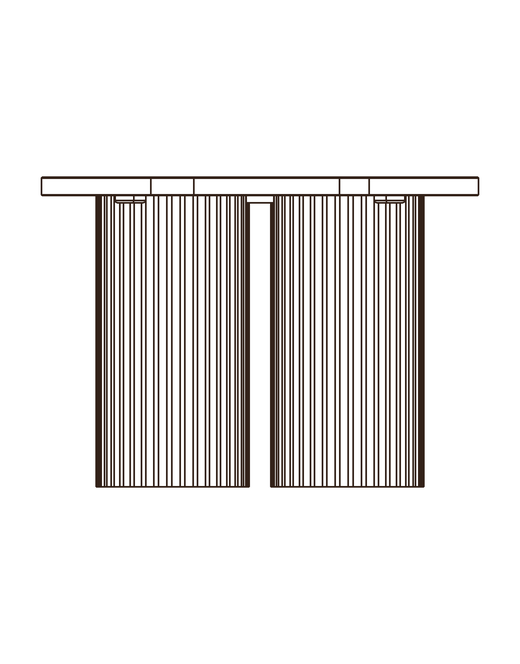
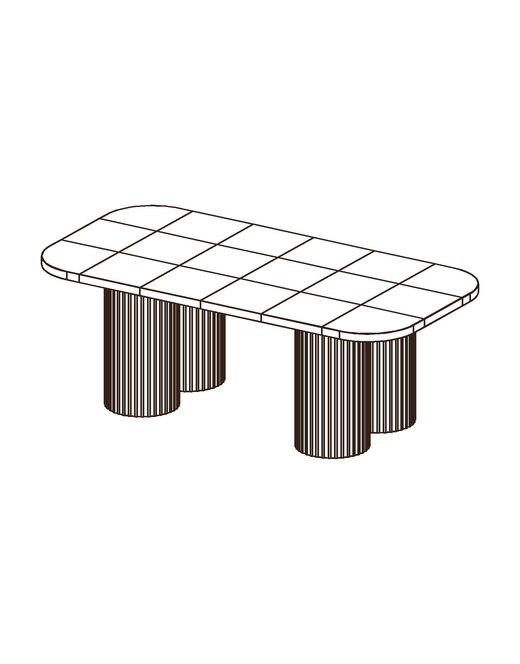
CBW-20 Coffee Table
Regular Pricing£1,200
Member pricing£1,020(-15%) · for approved members
Make a bold statement with this sustainable, architectural coffee table designed for the conscious home. The striking geometric checkerboard surface is ingeniously crafted from 100% durable, repressed cardboard waste.
Specification
Shipping and returns
Delivery options, lead times and returns terms will be confirmed for your order. Contact MadeBy with your delivery location and quantity.
Questions
For materials, samples, care, installation or project quantities, ask about this piece.
A record that travels with the piece.
What a piece is made from, how it came together and what happens to it next — held as one record rather than a page of claims.
Passport in development
Carbon against an imported table
89.6%
Less CO₂e per table
- Saved in production
- 5.78 t CO₂e
- Kept from landfill
- 2.58 t CO₂e
Passport record
cbw-20-roast-table
- Material
- To be added
- to confirm
- Total weight
- To be added
- to confirm
- Total waste weight
- To be added
- to confirm
- Made at
- To be added
- to confirm
- Assembled at
- To be added
- to confirm
- Waste stream
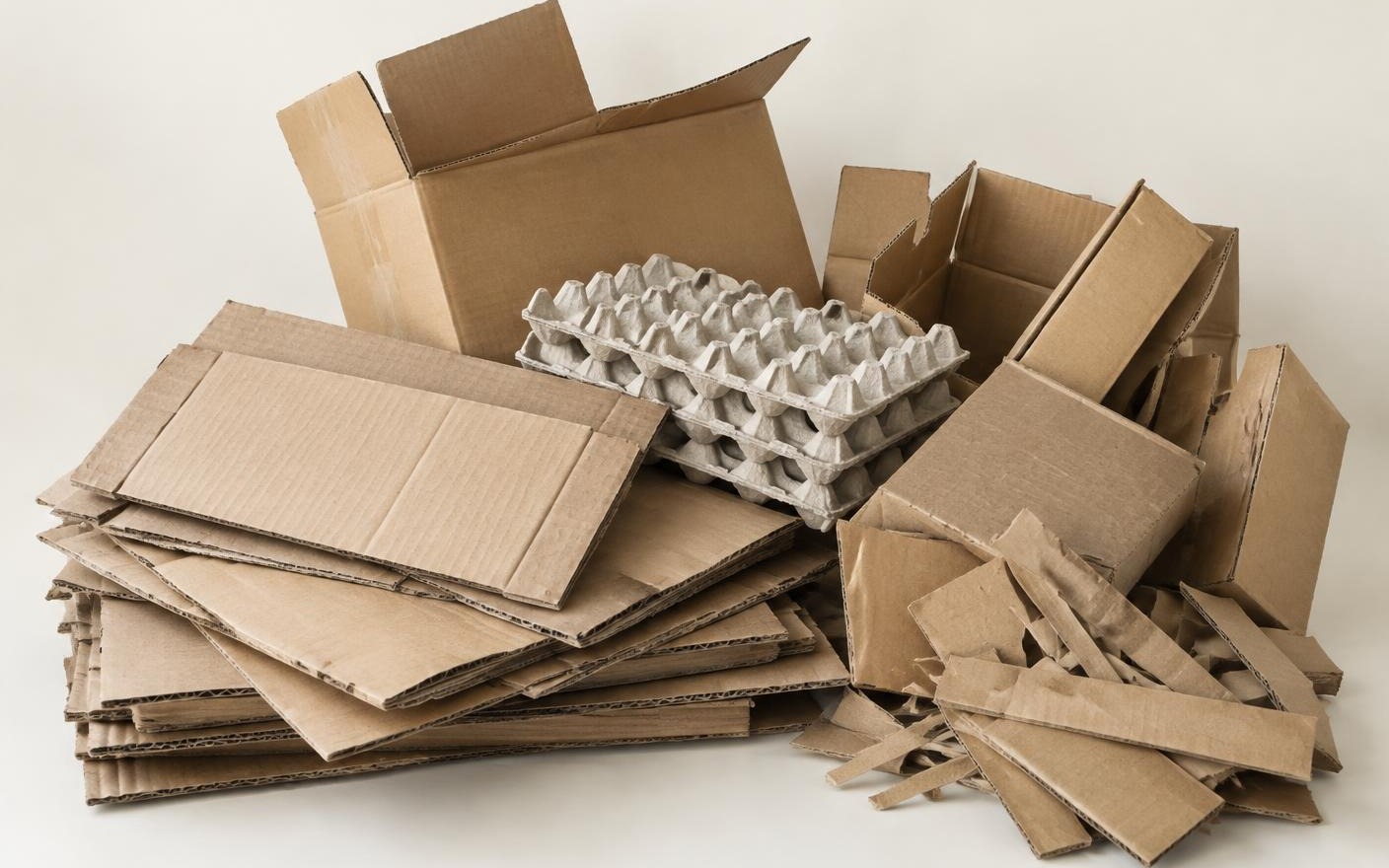
- Deliveries, packaging and egg cartons
- recorded
- Feedstock
- Collect Cardboard — Corrugated cardboard
- recorded
- Preparation
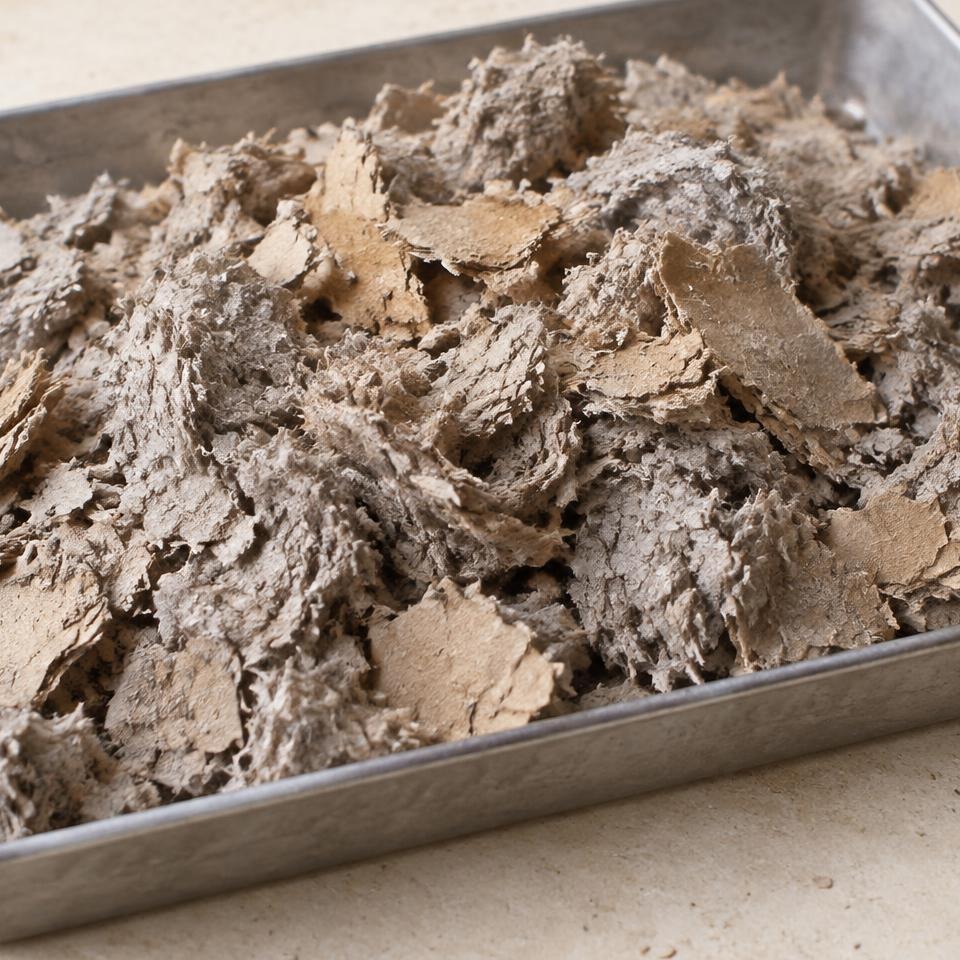
- De-taped, graded, shredded or pulped
- recorded
- Dimensions
- 1225 mm long · 625 mm deep · 425 mm high
- recorded
How it's made
From deliveries, packaging and egg cartons to this piece.
A daily fibre stream, broken down and re-formed to explore tactile panels, moulded parts and non-structural objects.
Read the cardboard streamStep 01
Keep dry
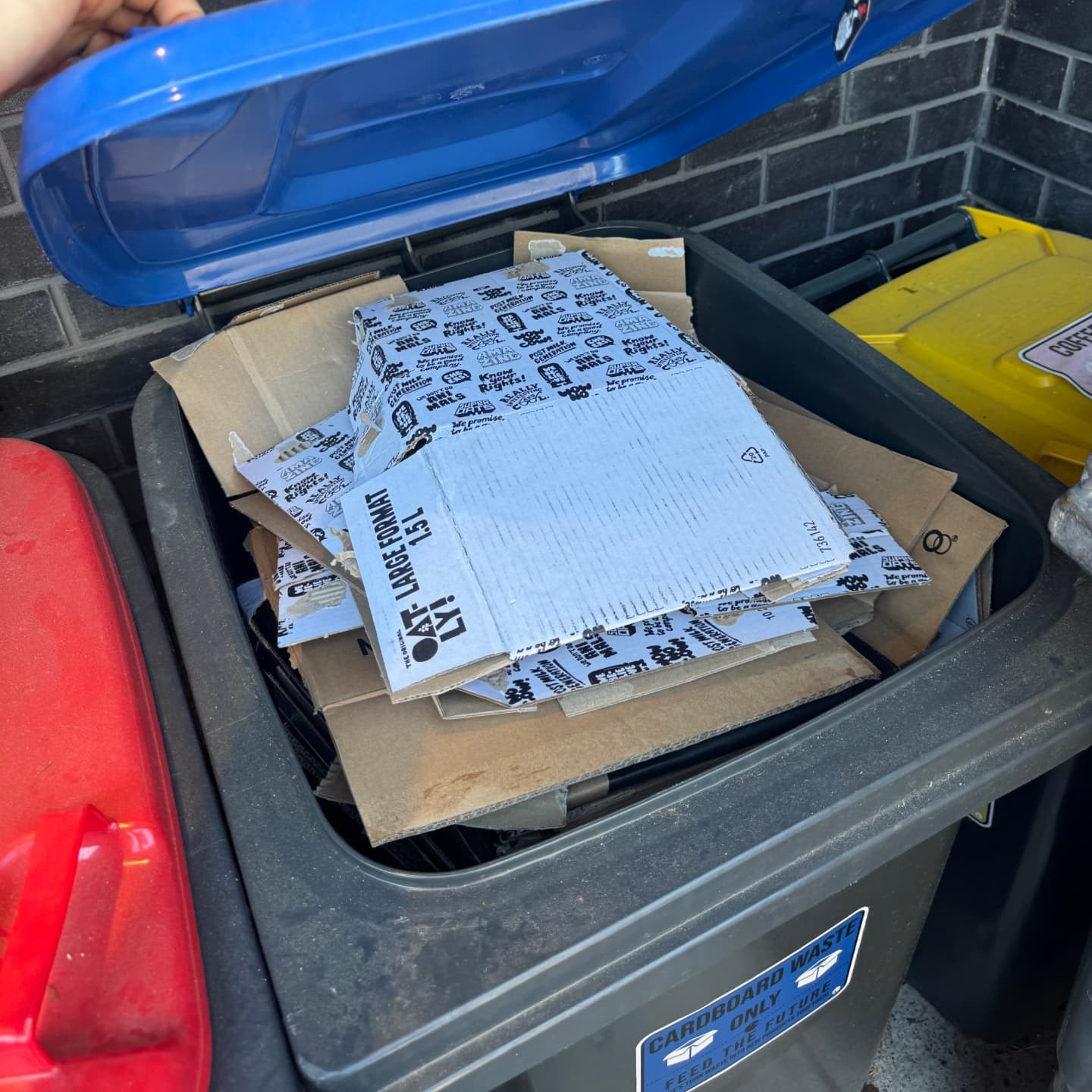
Boxes and cartons are flattened and stored away from food, liquids and mixed waste.
Step 02
Grade
Tape, labels and unsuitable coated boards are removed; fibre types are grouped for consistent trials.
Step 03
Shred or pulp
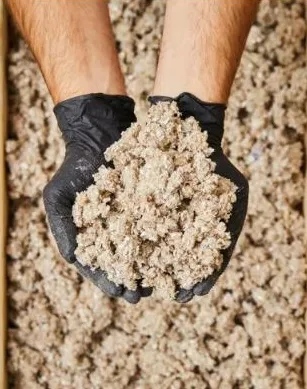
The board is mechanically reduced to a repeatable fibre size or broken down with water.
Step 04
Bind and form
Fibre is placed into moulds or pressed into panel samples with a binder chosen for the required performance.
Step 05
Dry and finish
Controlled drying limits distortion before edges, coatings and fixings are tested.