
Material indexSection 03 — Process

Materials & making

See the waste. Then see the possibility.

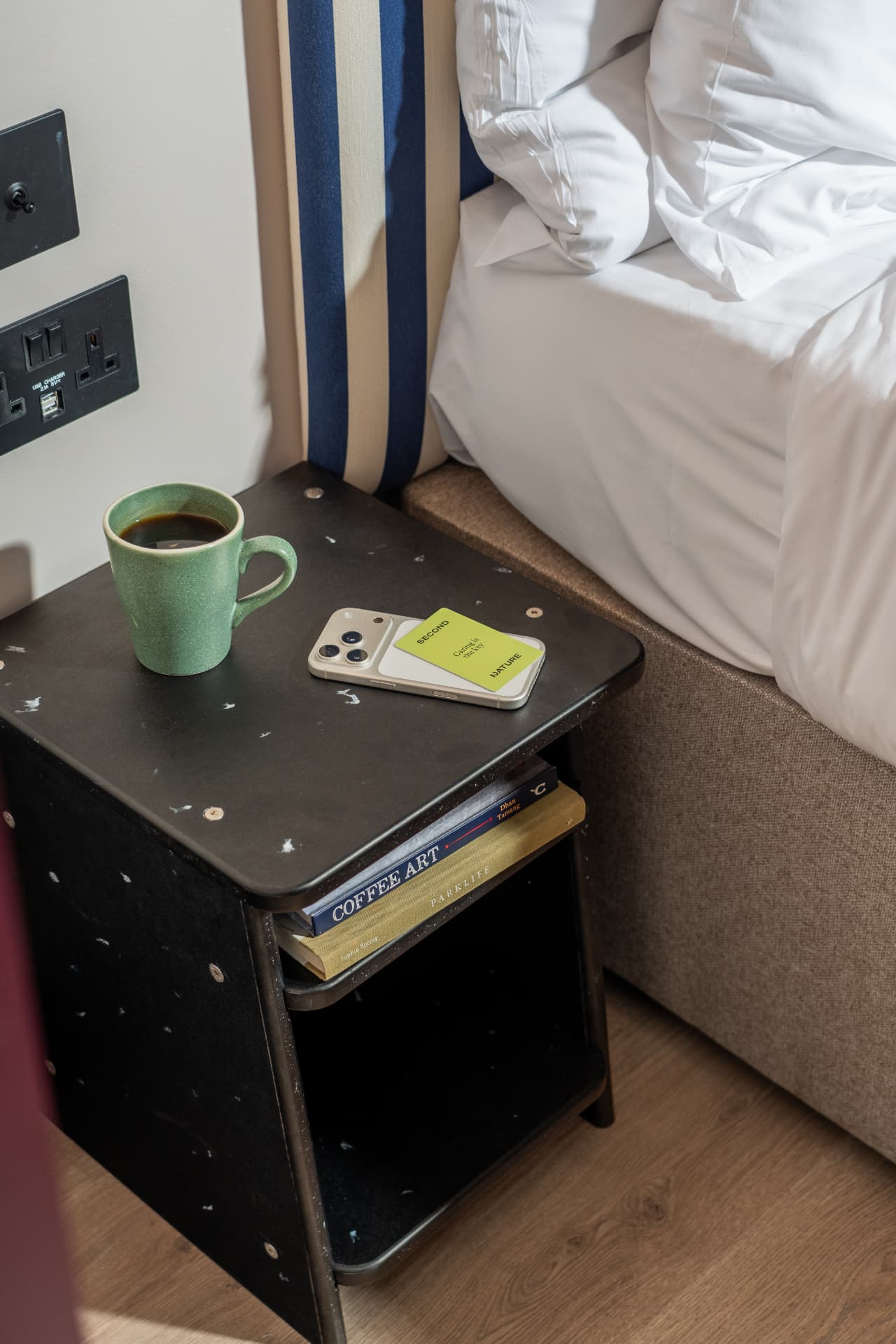
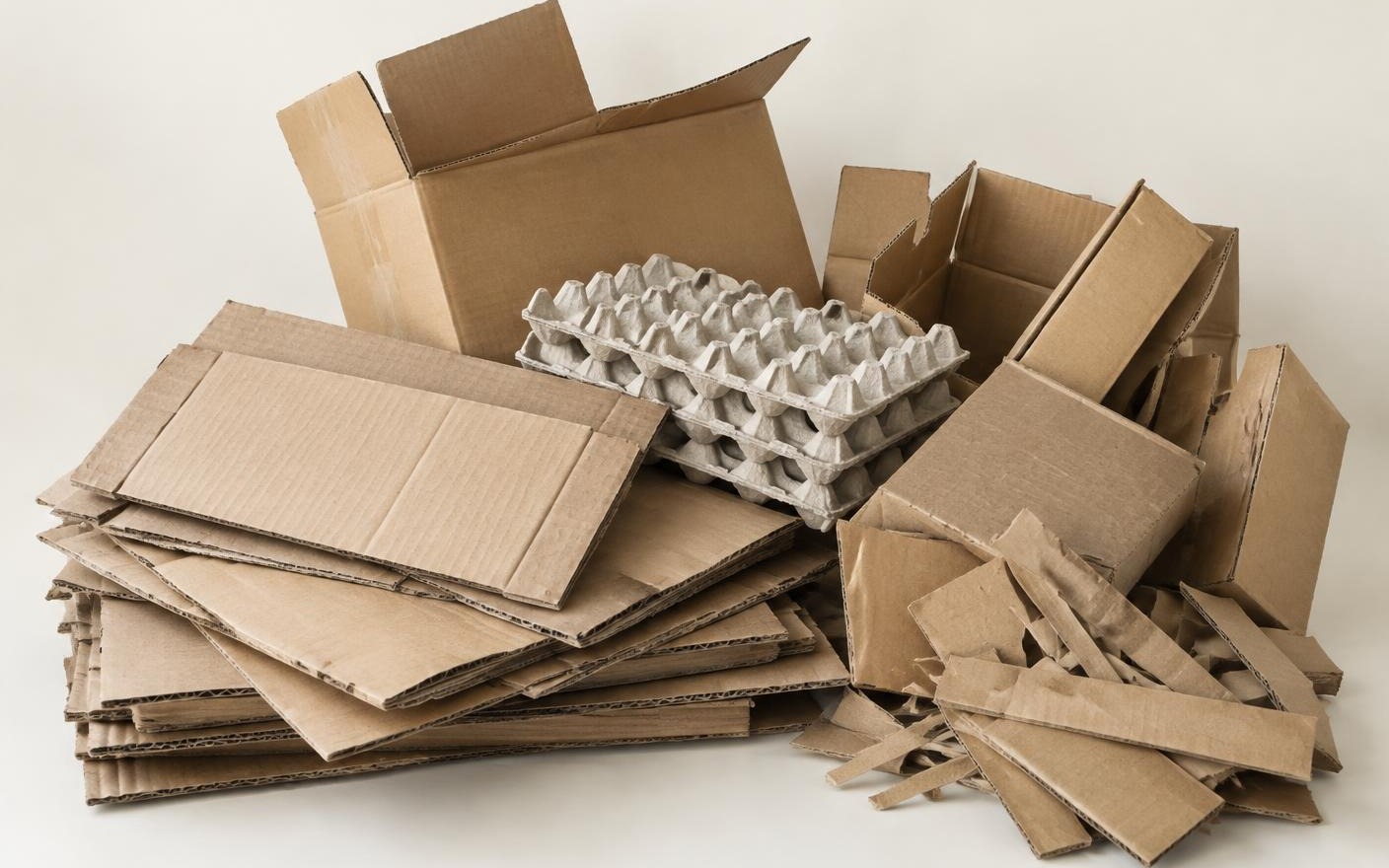
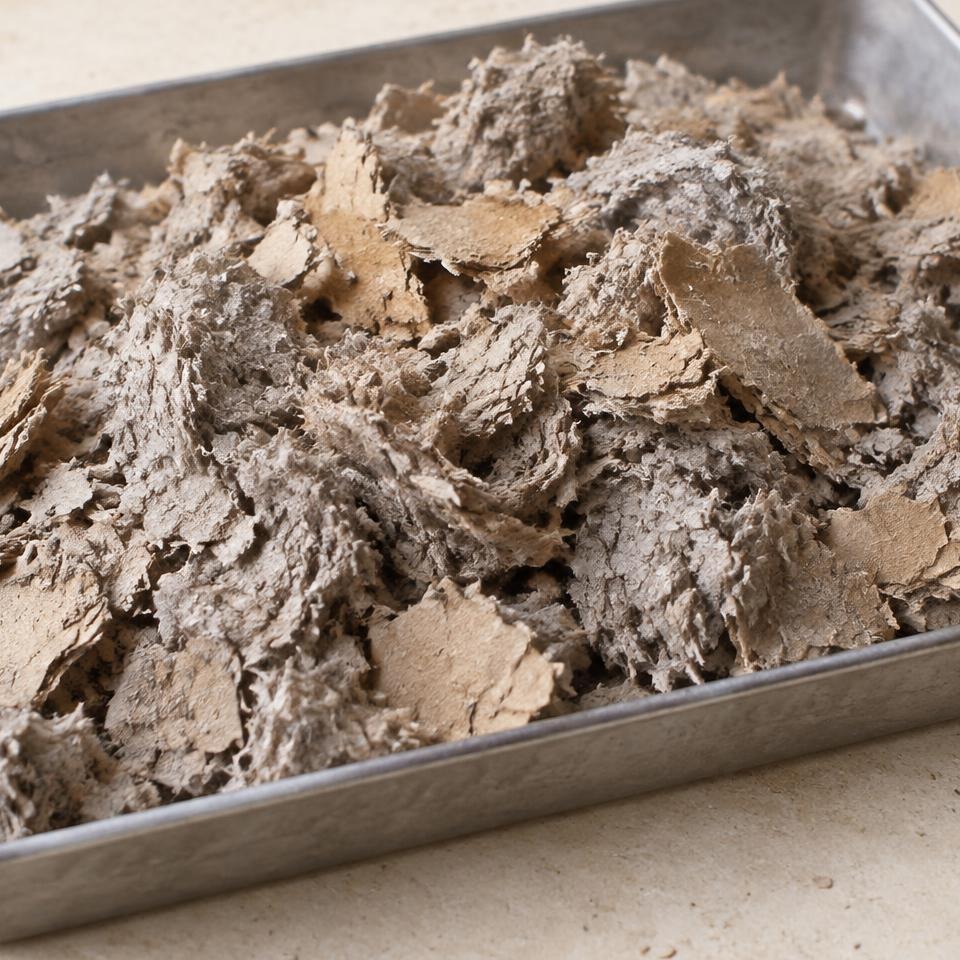
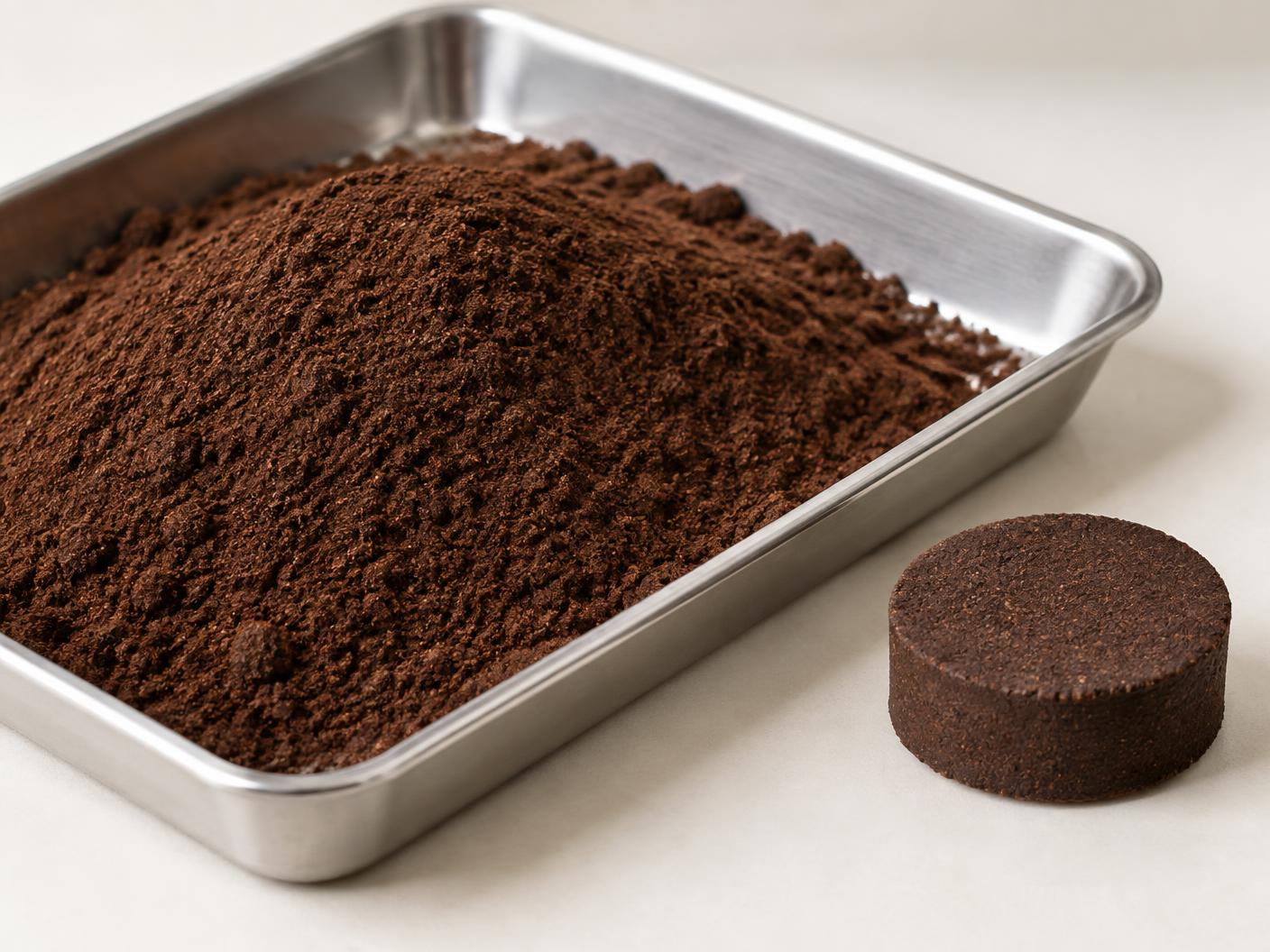
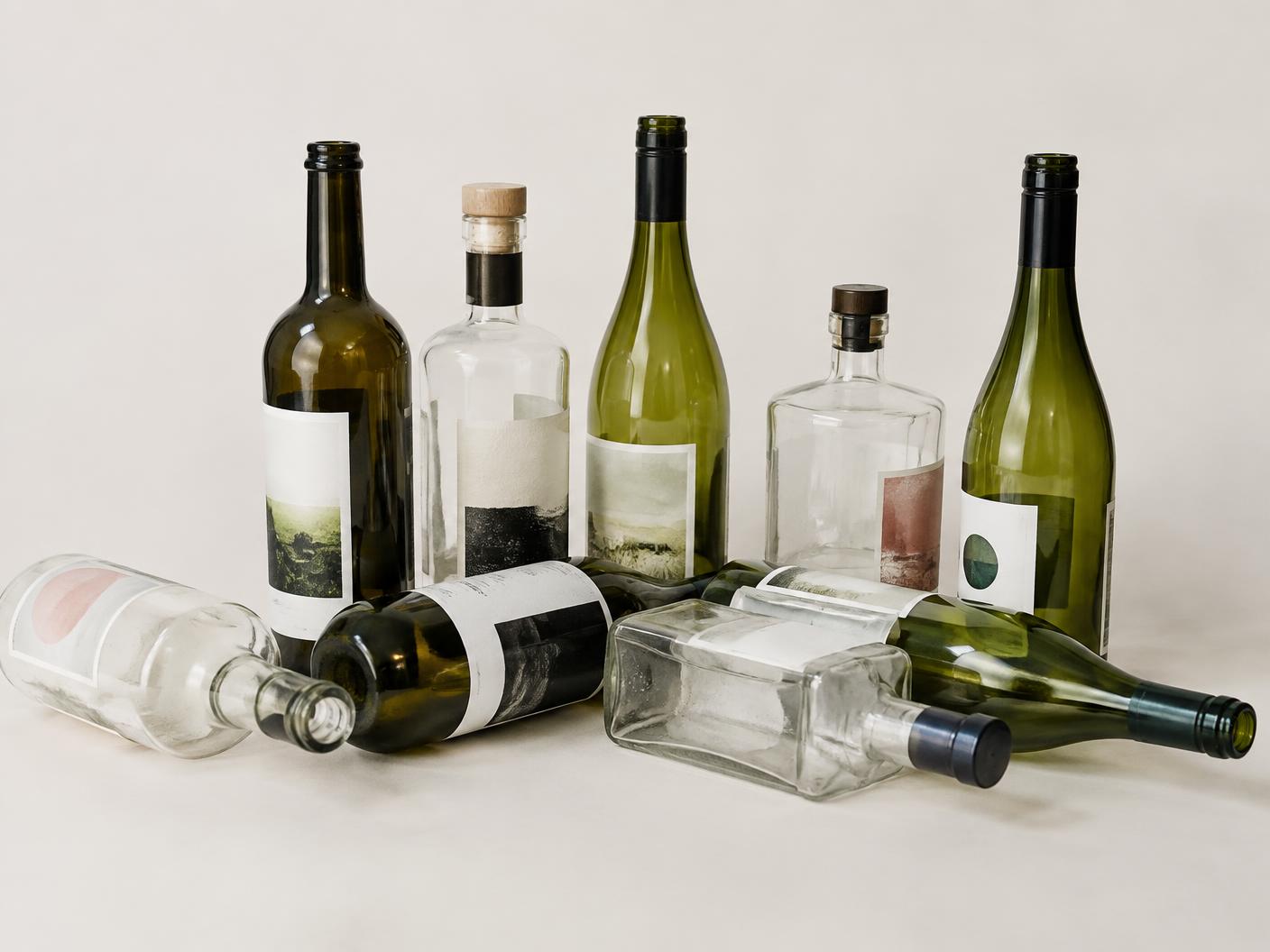
Glass bottles, plastic packaging, cardboard boxes and spent coffee arrive as ordinary operational waste. We keep that first state visible, because it makes the transformation into a useful object mean more.

Waste is just the beginning — four streams, mixed, then separated by material.Process / 00

COFFEE WASTE STREAM

From a morning flat white to an object that stays.

Coffee grounds leave the machine at the end of service. Here they are collected, sterilised, mixed with bio PLA and turned into filament, then printed into objects that go back into use.

A bistro bar with amber fluted glass pendant lights above a marble counter, a customer in a blue hoodie at the bar and a tiled wall reading The Cloure
Where it starts
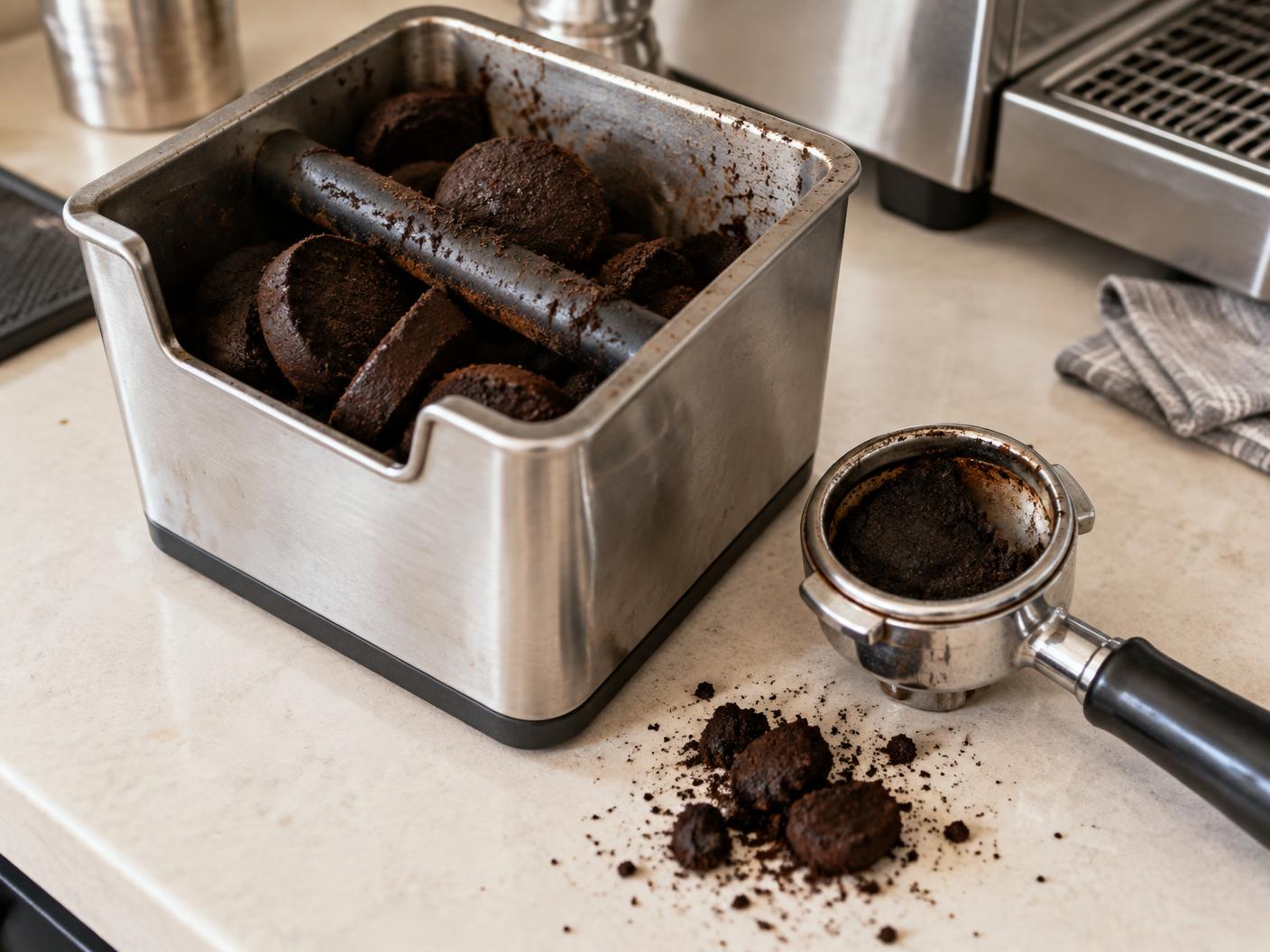
A knock box of used espresso pucks beside a portafilter and a spill of grounds on the counter
The daily routine
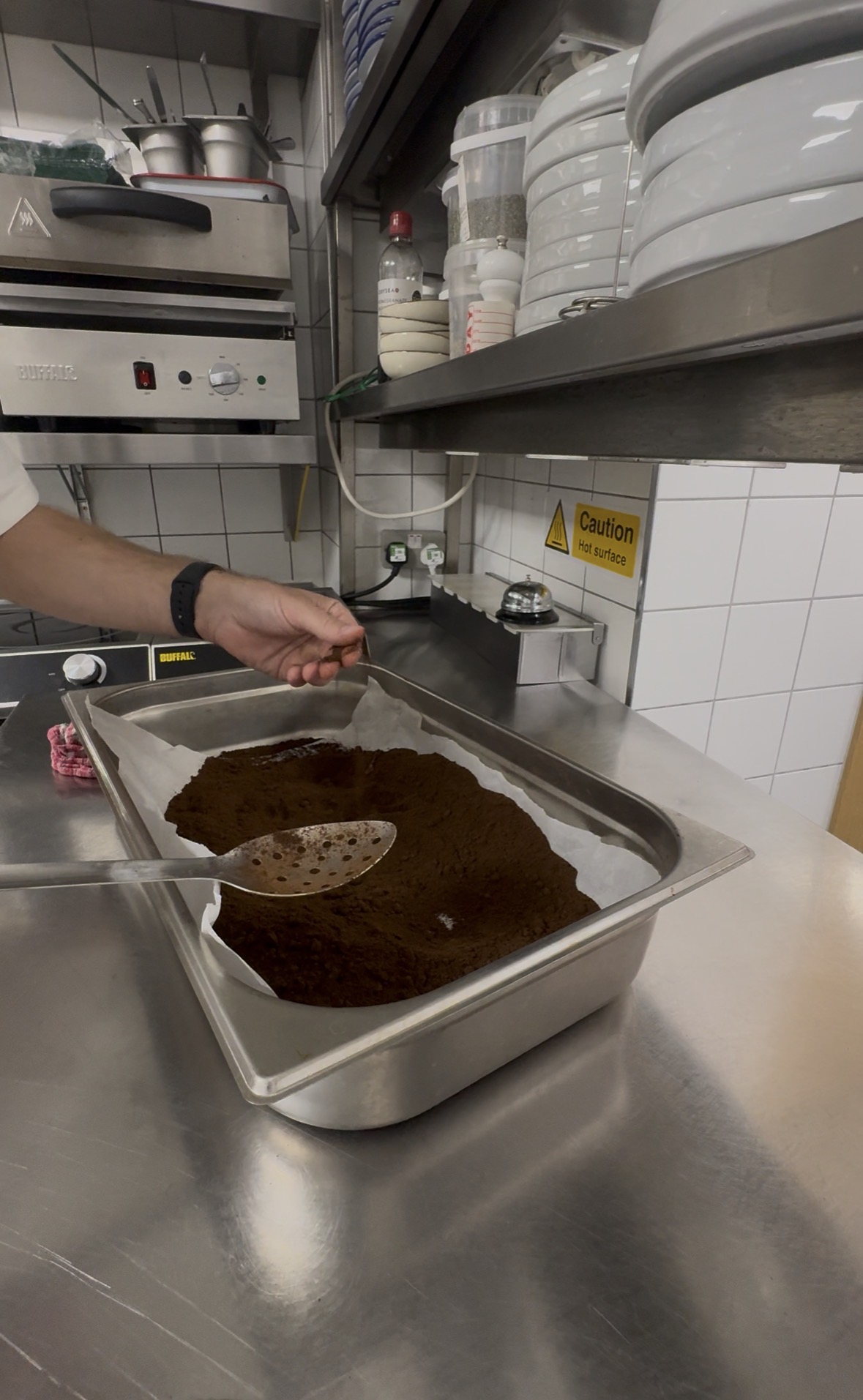
A hand adding collected coffee grounds to a parchment-lined stainless steel tray in a commercial kitchen
STERILISING THE WASTE
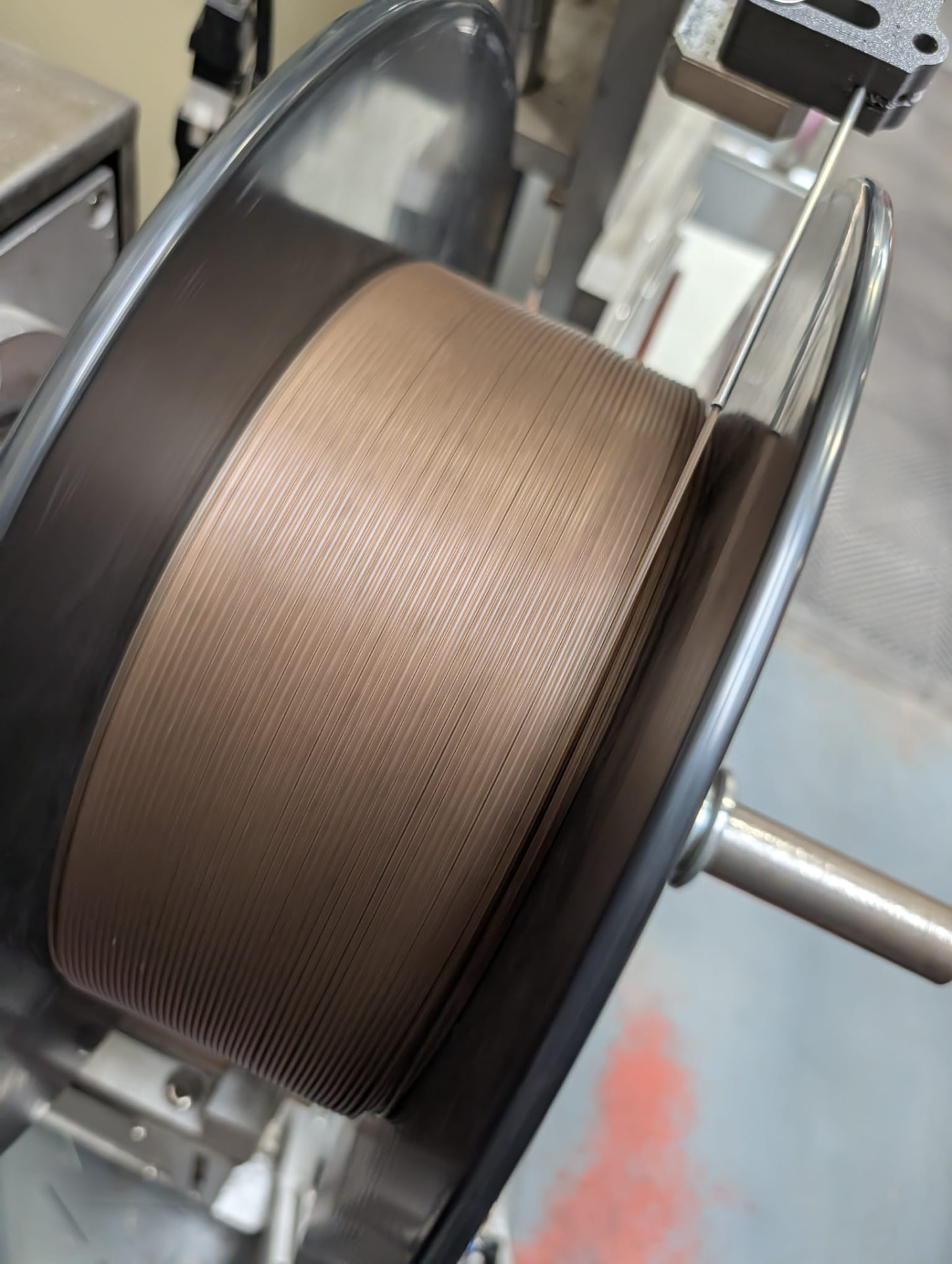
A spool of brown recovered-material filament wound on a metal spindle in a workshop
Mixed with Bio PLA & Turned to Filament
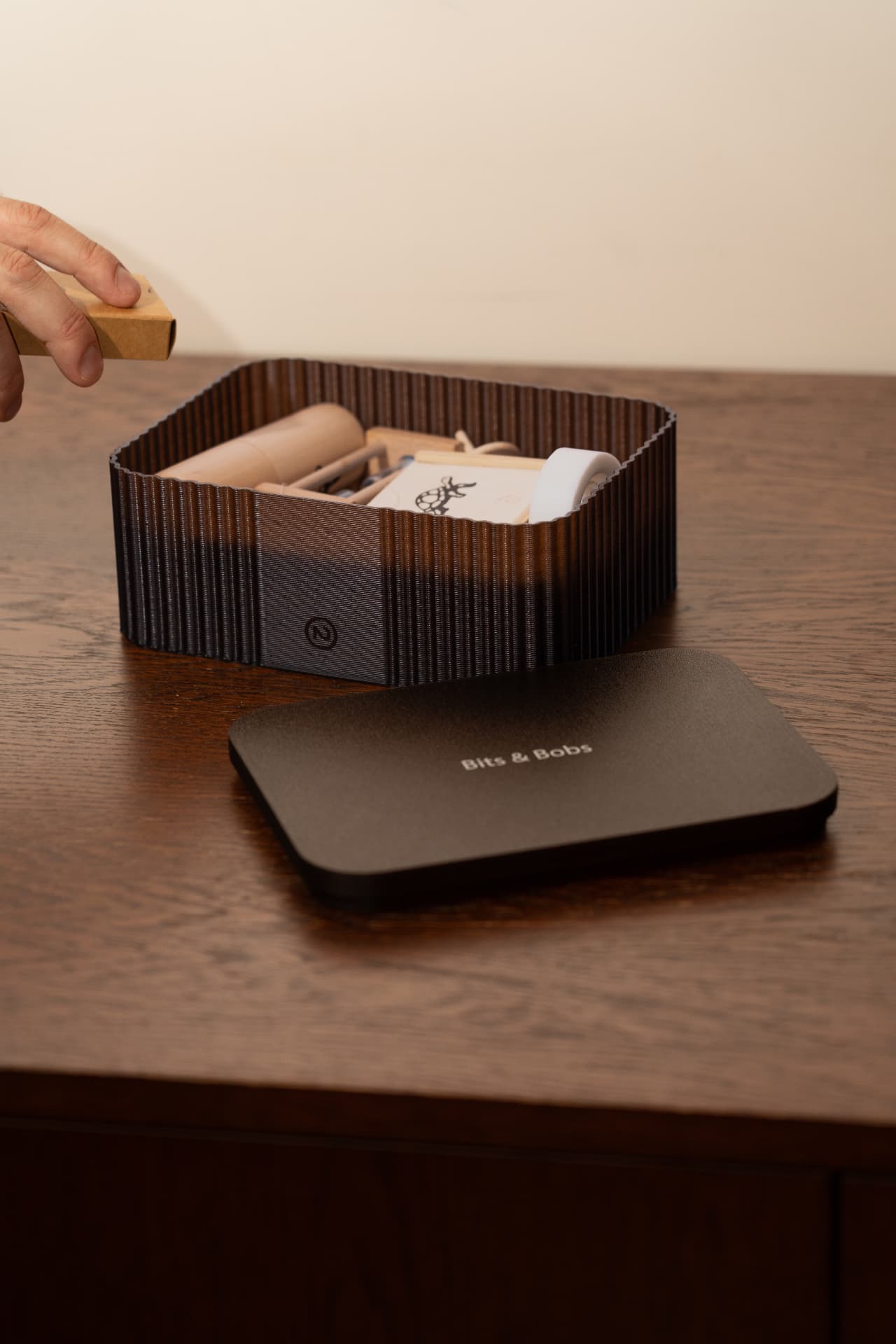
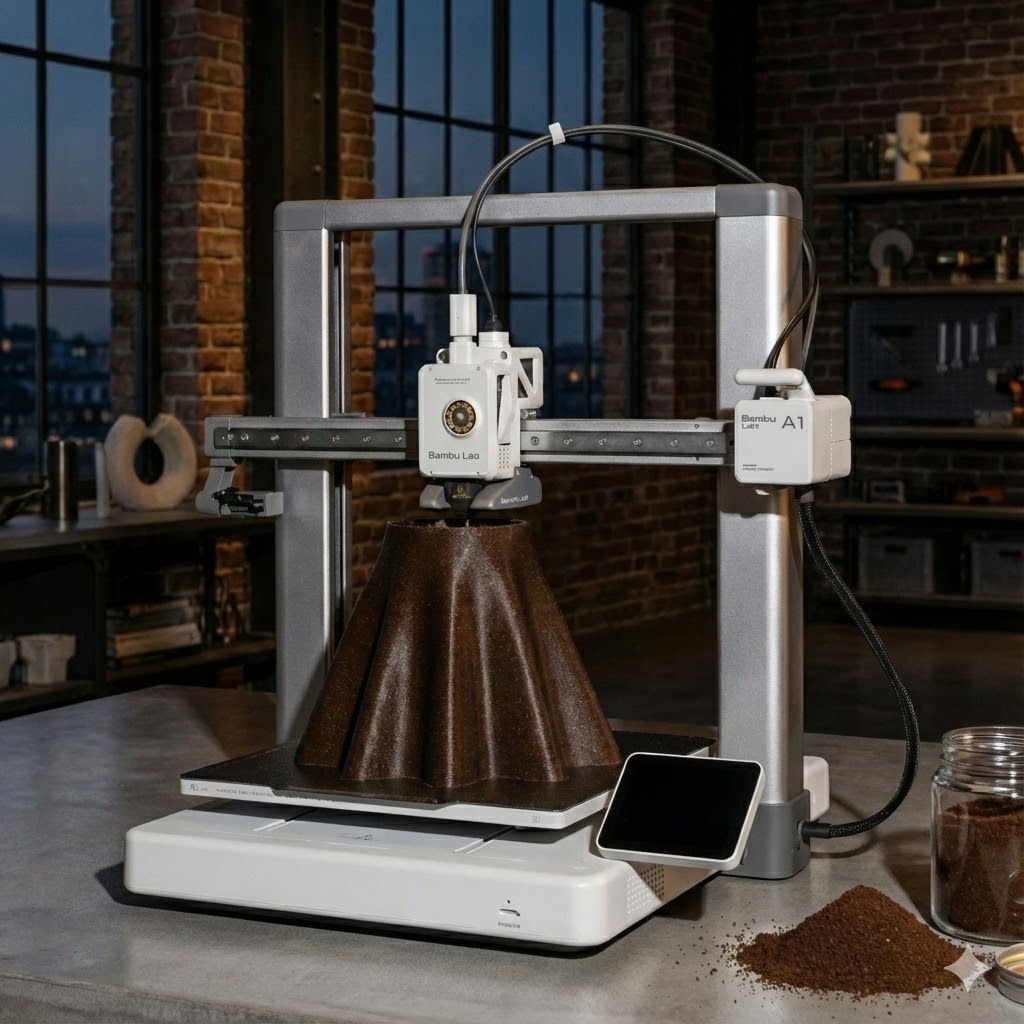
A pleated lamp shade taking shape on a 3D printer beside a jar of spent coffee grounds
3D printed object
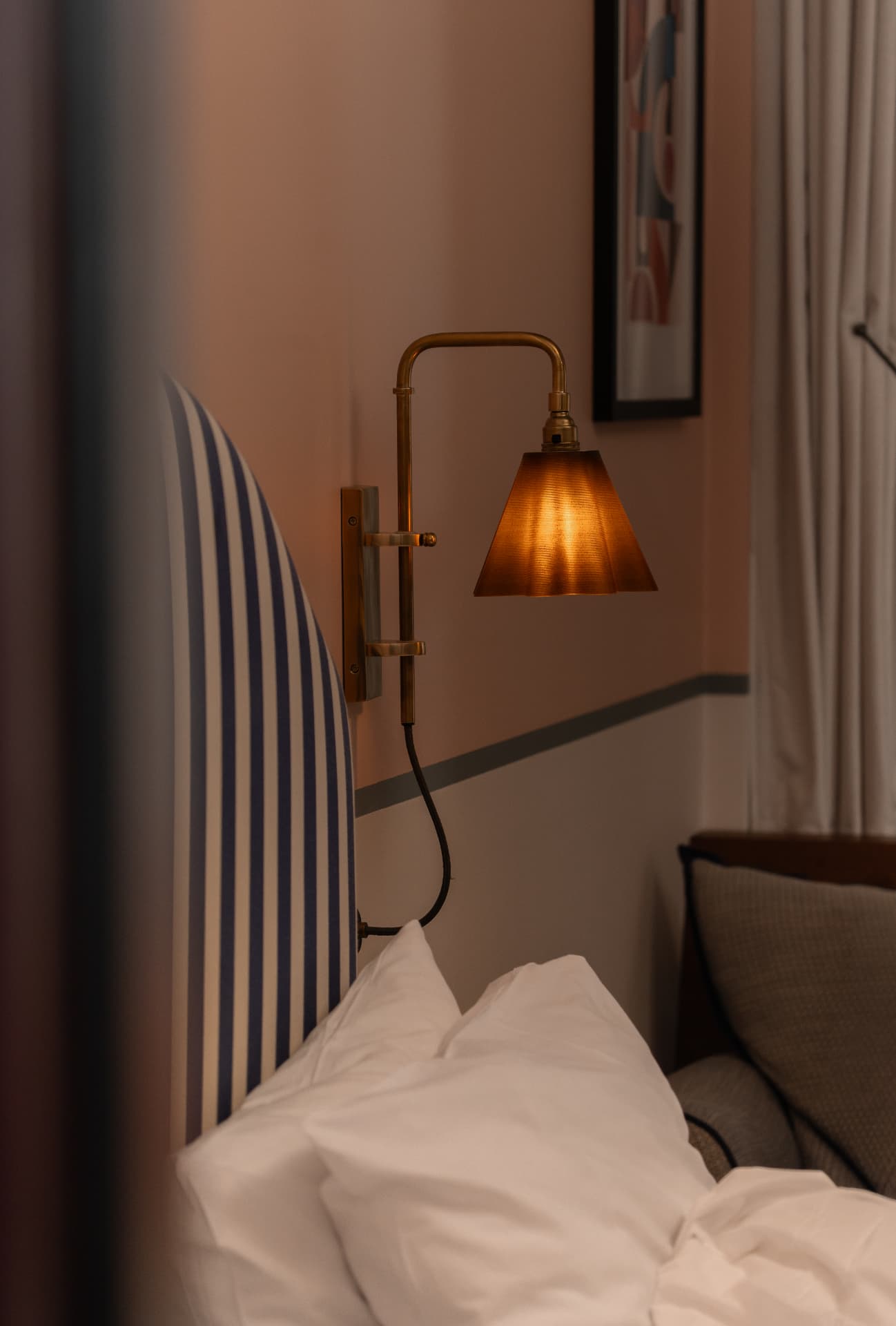
A pleated amber lamp shade glowing on a brass wall arm beside a navy-striped headboard in a hotel bedroom
WHERE IT FINISHES

The complete loop

Urban Mining

  1. 01

    Identify

    Find a consistent stream and understand what is really in it.

  2. 02

    Transform

    Clean, sort and prepare it as a controlled feedstock.

  3. 03

    Design

    Let the material’s behaviour define the product brief.

  4. 04

    Make

    Test the recipe, tooling, forming and finish.

  5. 05

    Return

    Put the finished object back into everyday use.

  6. 06

    Repeat

    Plan repair, separation and another material cycle.

Every return creates the starting point for another cycle.

A circular system

Design changes where the loop begins.

Conventional production begins by extracting material for a new product. MadeBy begins with a material already moving through a place, then asks what useful next job fits its real properties.

  1. 01

    Extract less

    Start with value that already exists.

  2. 02

    Capture at source

    Keep streams clean and legible.

  3. 03

    Prepare material

    Sort, clean and create feedstock.

  4. 04

    Design for use

    Match form to real properties.

  5. 05

    Manufacture locally

    Make through the right network.

  6. 06

    Use, repair, return

    Keep every object in circulation.

The manufacturing network

The right specialist for every stage.

MadeBy’s strength is not manufacturing everything in-house. It is connecting designers, waste streams, material specialists and manufacturers into a coherent ecosystem. The recipe, tolerances and finish move with the material so an experiment can become a dependable part.

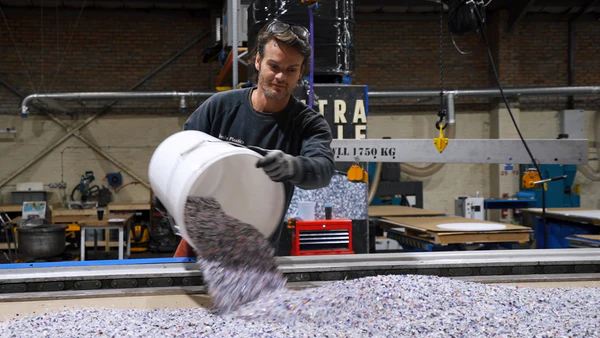
A specialist laying up raw shredded material into a mould at the workshop
Specialist testing matches the material to the intended process.
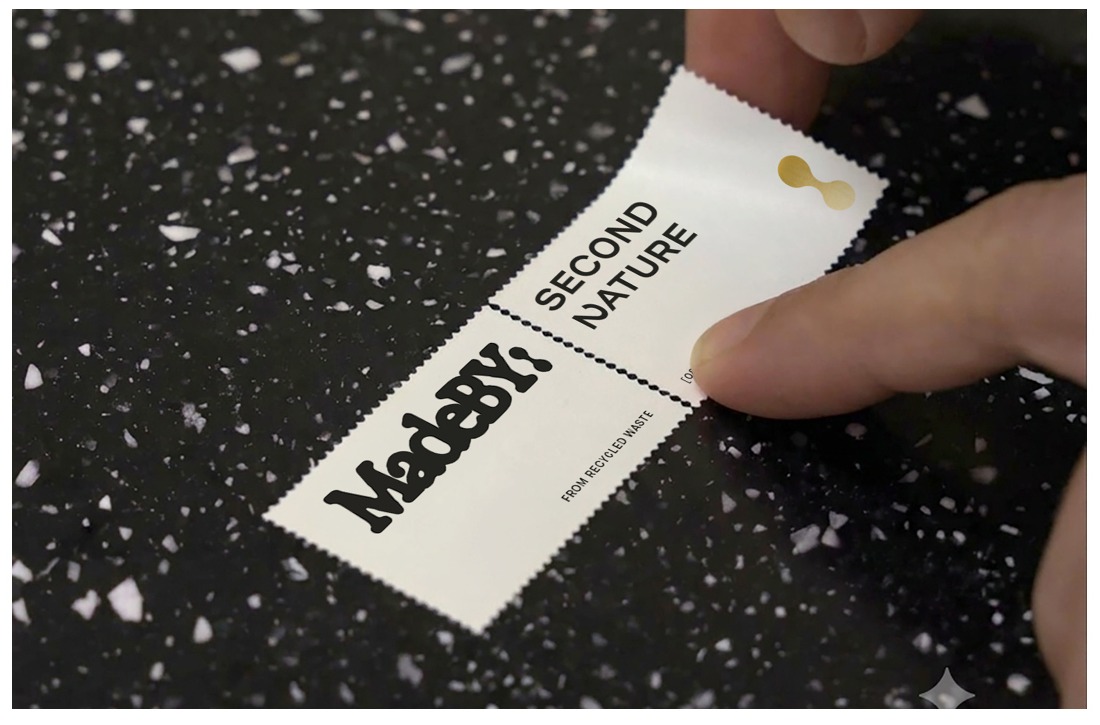
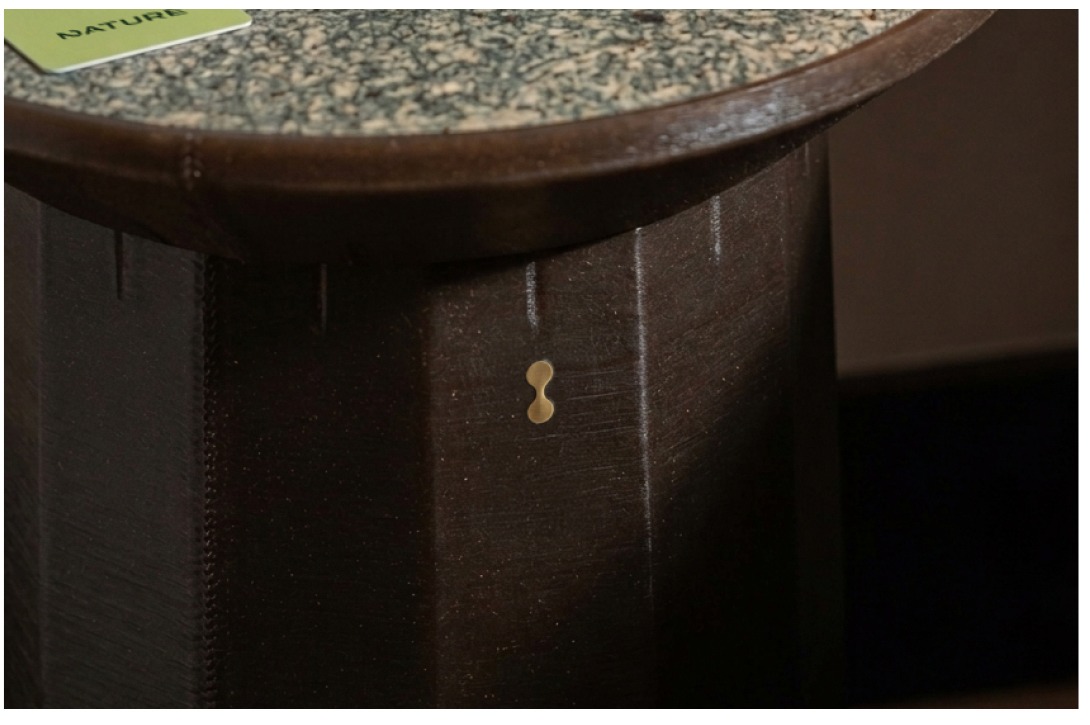
A MadeBy material label fixed to a recovered-material sample
A clear material record travels with the finished part.
Close detail of a finished MadeBy furniture piece
A dependable part returns to use only after the recipe and finish are agreed.

The material record

The story travels with the object.

A MadeBy material record makes traceability useful, not decorative. It introduces the object, follows its material, records the recipe and gives the next owner a route to care, repair or return.

01

Meet the object

Name, purpose and intended setting.

02

Follow the material

Source stream and collection point.

03

See what’s in it

Feedstock, carrier and separable parts.

04

Read the making

Preparation, forming and finish record.

05

Keep it useful

Care, repair and replacement guidance.

06

Take the next step

Reuse, return and next-life route.