Source
Deliveries, packaging and egg cartons

Deliveries, packaging and egg cartons
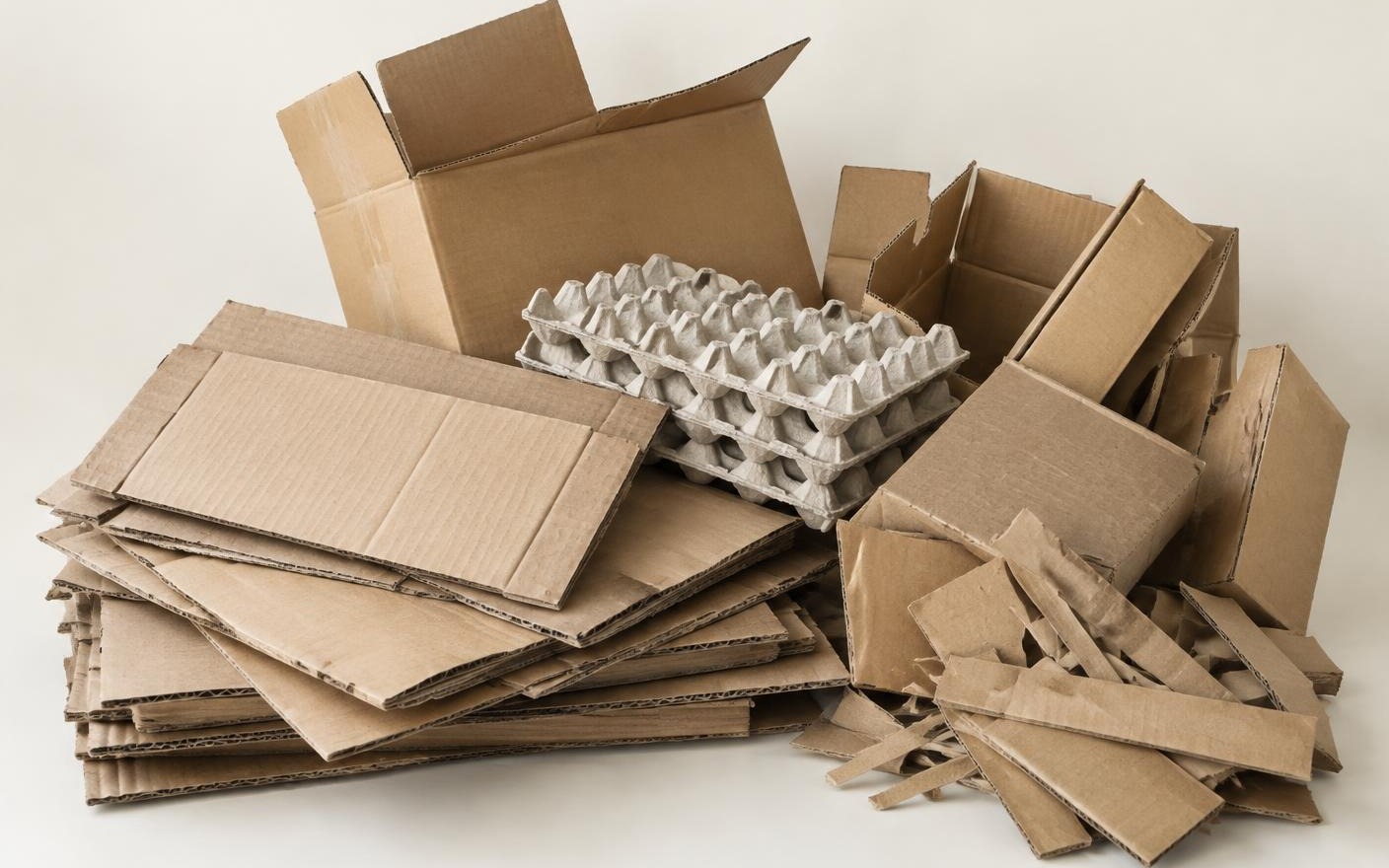
Cardboard arrives with almost everything a hospitality business buys. Collected dry and free from food contamination, it can be graded, shredded and pulped into a useful fibre feedstock for material and product trials.
Why it’s worth recovering
Deliveries create a visible, recurring stream that teams can separate before it is compacted with unrelated waste.
The recovered fibre can build volume without the weight of a mineral or solid-plastic part.
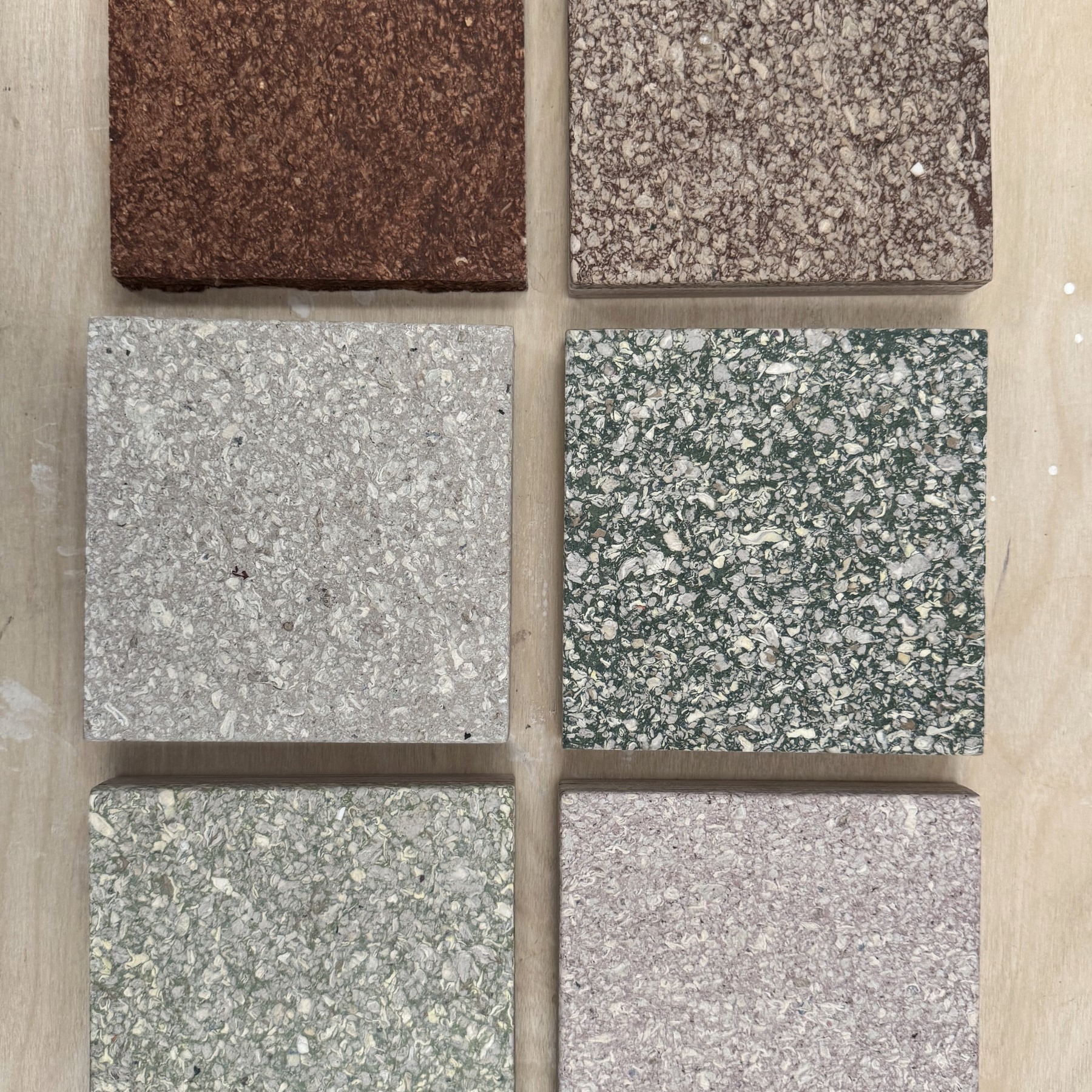
Fluting, pulp and torn fibre can remain visible, making the transition from box to object easy to understand.
From waste stream to part
Boxes and cartons are flattened and stored away from food, liquids and mixed waste.
Step 1Tape, labels and unsuitable coated boards are removed; fibre types are grouped for consistent trials.
Step 2The board is mechanically reduced to a repeatable fibre size or broken down with water.
Step 3Fibre is placed into moulds or pressed into panel samples with a binder chosen for the required performance.
Step 4Controlled drying limits distortion before edges, coatings and fixings are tested.
Step 5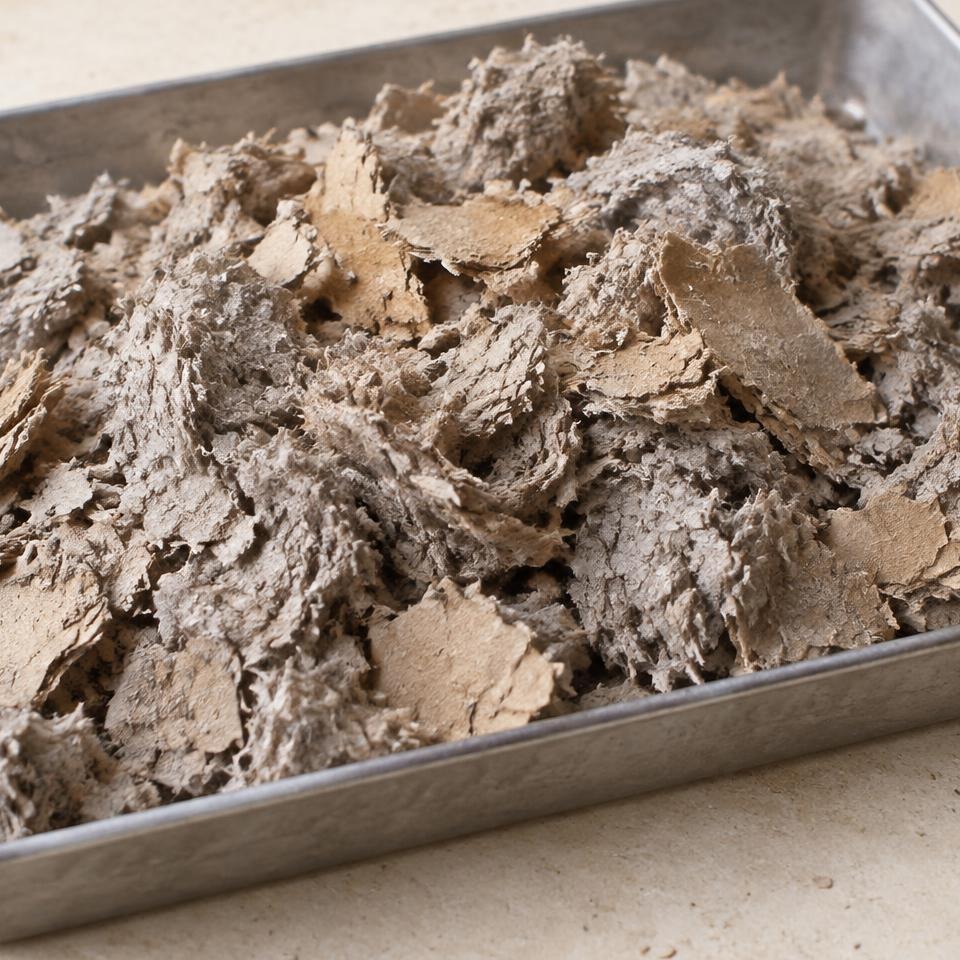
Technical data
Manufacturing into new things
Collection and drying are part of the production system, because wet or inconsistent fibre cannot make a reliable part.
Ribs, folds and moulded depth can make a light fibre part stiffer without pretending it is a structural board.
Coatings are used only where the application needs them, preserving the tactile fibre surface where possible.
Where it doesn’t belong
Sample recipe / Cardboard
This record keeps the source, preparation and production decisions together, so a promising sample can be reviewed and repeated.
Illustrative sample recipe. Fibre density, binder and drying cycle are developed around the intended indoor application.
From source to specification
Material development begins before the workshop. Separation at source protects identity and quality; sampling establishes variation; testing matches the material to an application. Only then can repeatable production be discussed.
Deliveries, packaging and egg cartons
De-taped, graded, shredded or pulped
moulded accessories, panels, packaging returns and ongoing trials
Samples, process notes and application-specific checks are kept close to the object.
Material record
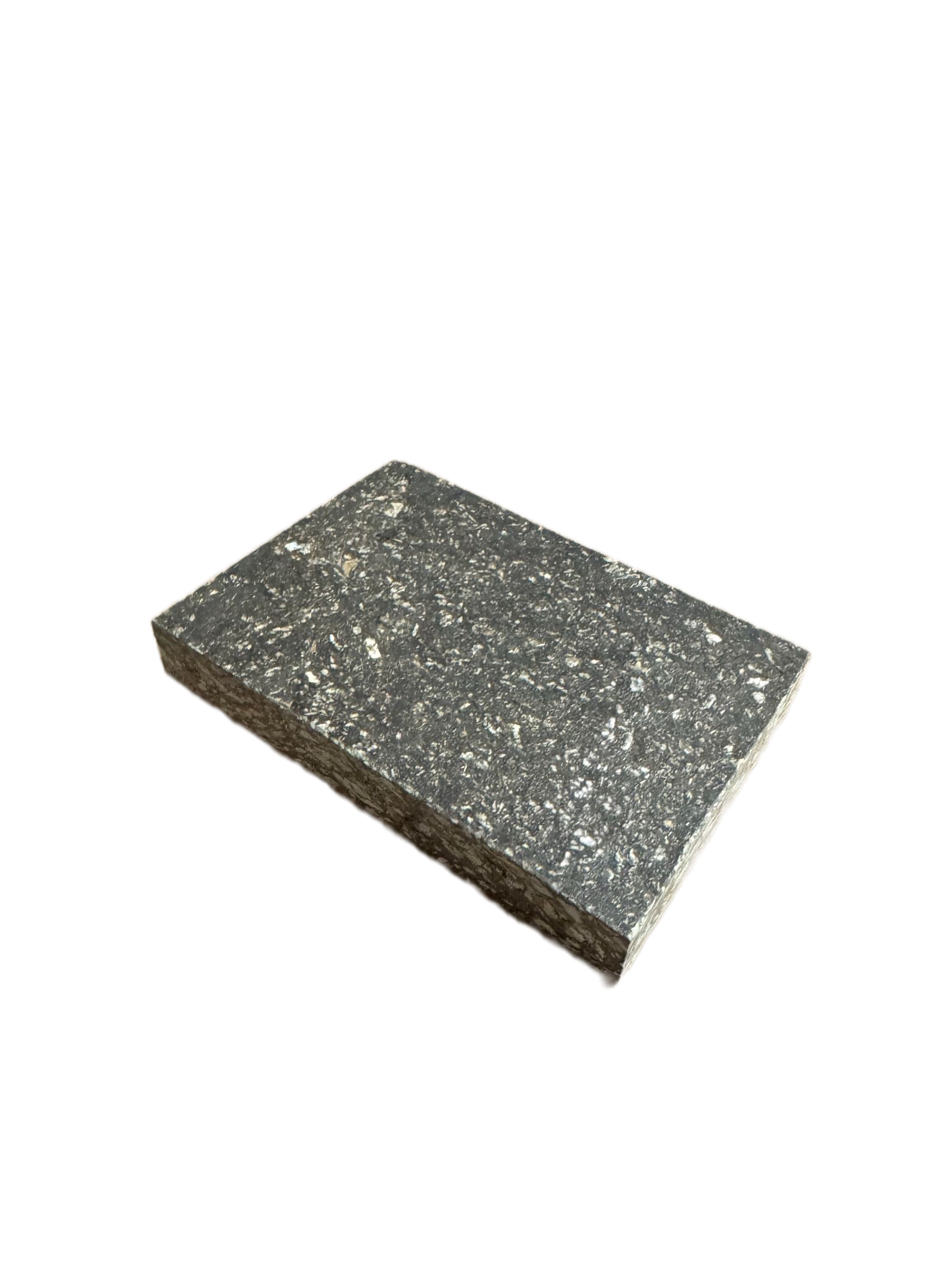
Each application is intended to carry a useful record: what the object is, where its material came from, how it was prepared, what care it needs and what to do when its first use ends.