Source
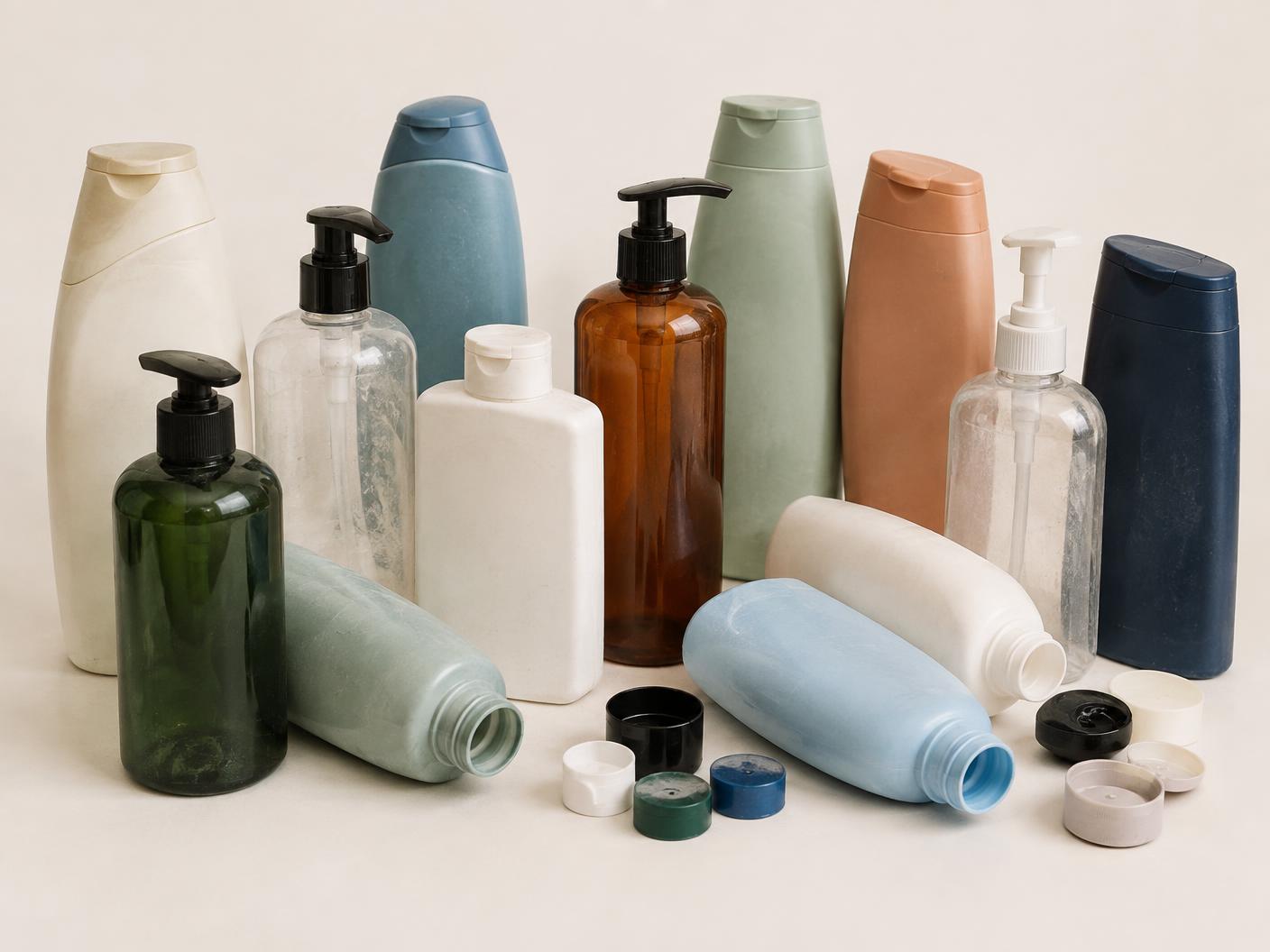
Packaging, bottle caps and damaged fittings

Packaging, bottle caps and damaged fittings
Plastic is only useful as a manufacturing input when its identity is known. We intercept clean streams, sort them by polymer and colour, and use heat and pressure to turn loose fragments into solid, workable forms.
Why it’s worth recovering
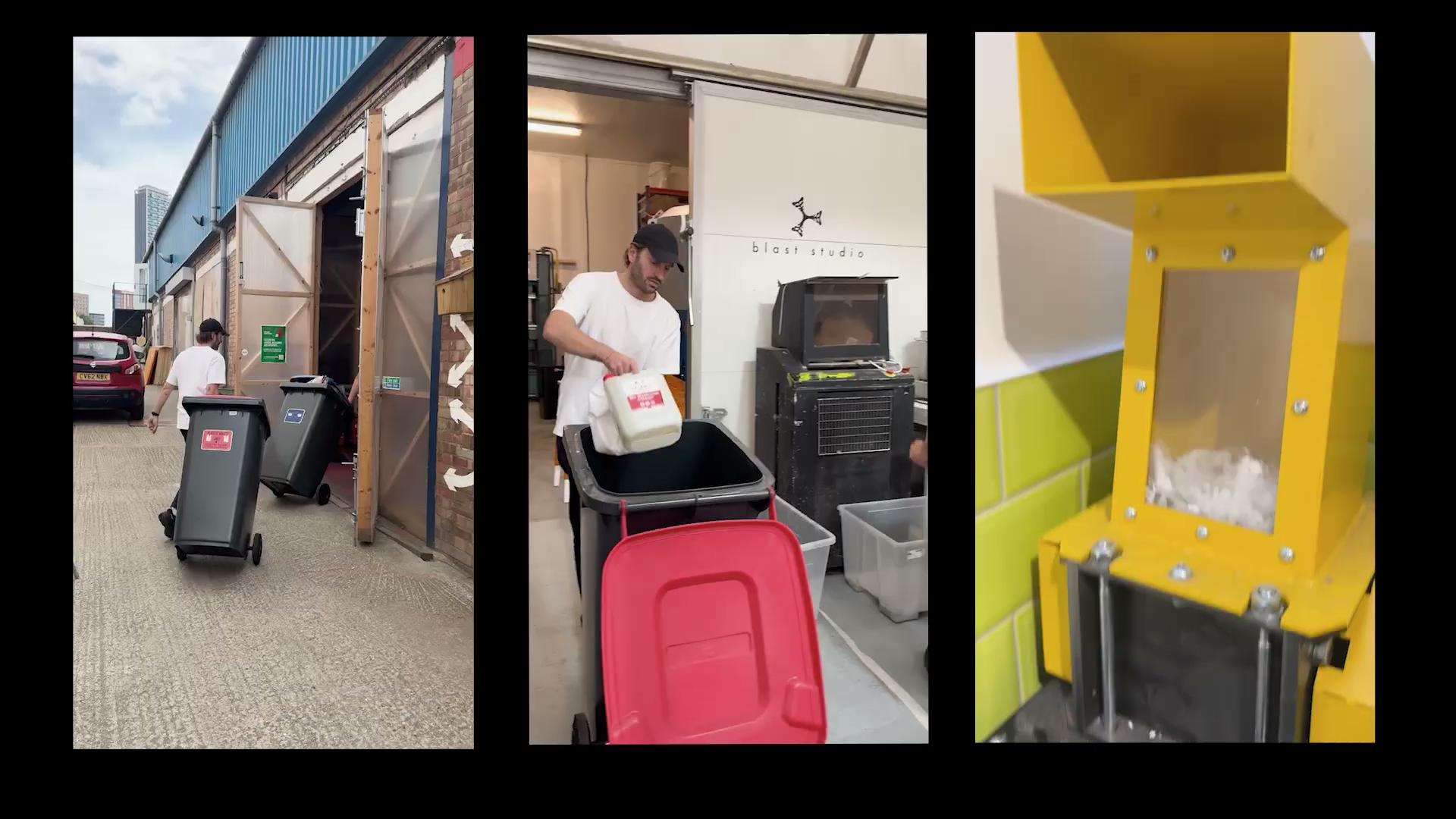
Capturing plastic at source gives the material team a far better chance of identifying it and keeping contamination low.
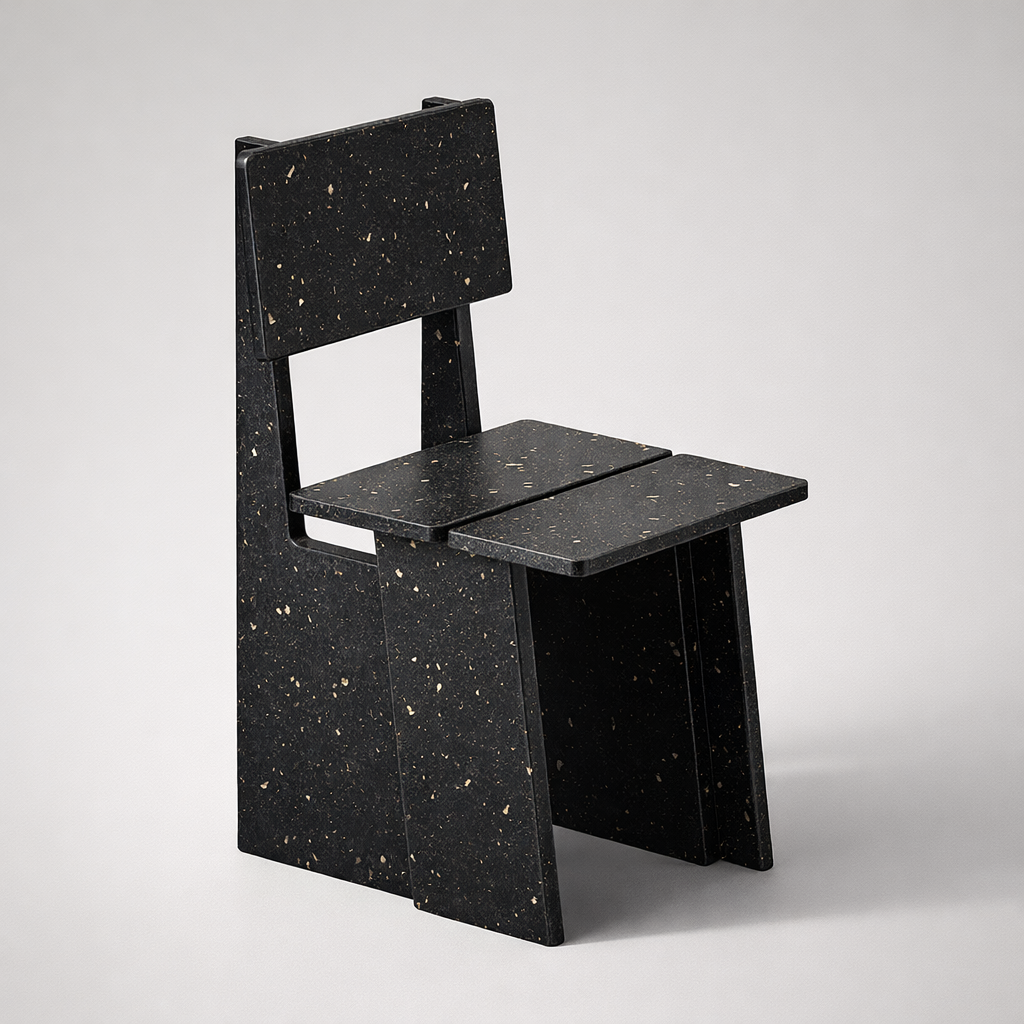
The flecked surface records the original pieces. Colour sorting becomes part of the design process rather than an afterthought.
Suitable clean trim can be shredded again, keeping workshop waste in the next material batch.
From waste stream to part
Items are grouped by known polymer. Unidentified or incompatible pieces are removed rather than guessed at.
Step 1Residue and labels are removed so moisture and contamination do not compromise the next stage.
Step 2Material is reduced to a controlled flake, with colour mixes recorded for repeatable visual recipes.
Step 3Flake is placed into tooling, heated until it bonds and cooled under pressure into a stable form.
Step 4Panels or moulded parts are cut, drilled and joined with reversible fixings where the design allows.
Step 5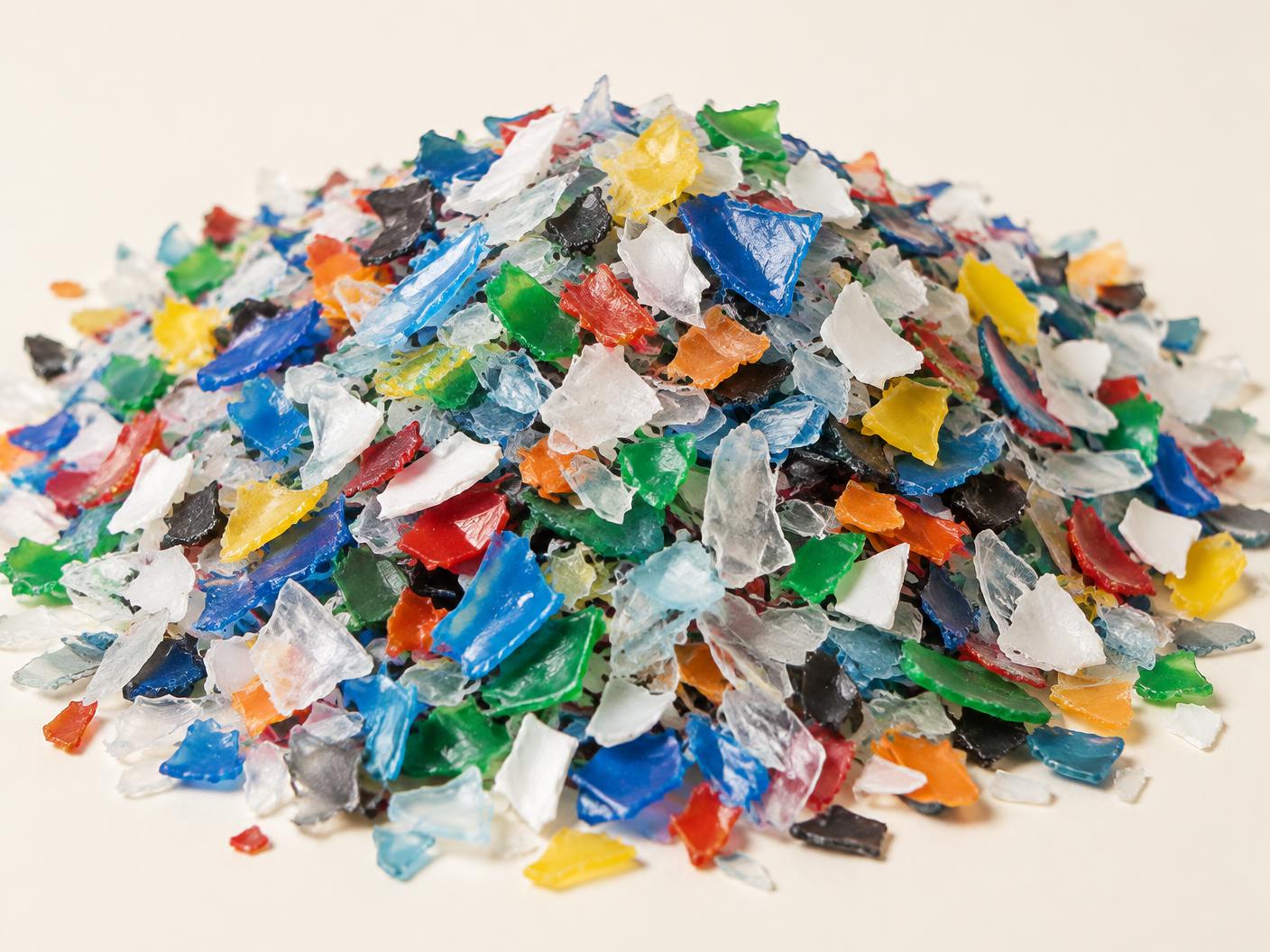
Technical data
Manufacturing into new things
Temperature, pressure and cooling are established for the identified stream, not copied blindly from another plastic.
Samples set the colour balance while allowing the natural variation that makes recovered material recognisable.
Simple geometries and removable fixings make future separation and reprocessing more realistic.
Where it doesn’t belong
Sample recipe / Plastics
This record keeps the source, preparation and production decisions together, so a promising sample can be reviewed and repeated.
Illustrative sample recipe. Temperature, pressure and cooling depend on the identified polymer and component geometry.
From source to specification
Material development begins before the workshop. Separation at source protects identity and quality; sampling establishes variation; testing matches the material to an application. Only then can repeatable production be discussed.
Packaging, bottle caps and damaged fittings
Sorted, cleaned, dried and shredded to a controlled flake
chairs, stools, bedside tables and interior components
Samples, process notes and application-specific checks are kept close to the object.
Material record
Each application is intended to carry a useful record: what the object is, where its material came from, how it was prepared, what care it needs and what to do when its first use ends.